How Asphalt Sealing Protects Your Driveway From Damage
Local contractors who specialize in asphalt sealing can help protect your driveway from damage by creating a barrier that prevents cracks, water infiltration, and surface deterioration.
If you own a property in the area, understanding how asphalt sealing protects your driveway from damage is an important step in maintaining its appearance and longevity. Over time, exposure to sunlight, water, and regular wear can cause asphalt to crack, fade, and deteriorate. Proper sealing creates a protective barrier that helps prevent these issues, saving property owners from costly repairs down the line. Exploring this topic can provide practical insights into how routine maintenance with the help of local contractors can extend the life of your driveway and keep it looking its best.
Many property owners find that investing in asphalt sealing is a smart way to shield their driveways from the elements and daily use. Local service providers offer expertise in applying this protective coating effectively, ensuring that your driveway remains resilient against damage caused by weather, oil spills, and temperature fluctuations. Continuing to read can help you understand the benefits of sealing and how connecting with experienced local contractors can support your efforts to preserve your driveway’s condition and curb appeal.
- New driveway sealing - homeowners seeking to protect fresh asphalt from early damage can rely on local contractors to apply protective sealers that extend its lifespan.
- Crack repair sealing - when existing cracks threaten to worsen, service providers use sealing techniques to prevent water infiltration and further deterioration.
- Resurfacing preparation - before resurfacing a worn or damaged driveway, local pros often recommend sealing to improve adhesion and durability of the new surface.
- Preventative sealing for aging driveways - property owners with older asphalt surfaces can work with local contractors to apply sealers that shield against weather-related damage and oxidation.
- Post-repair sealing - after patching or repairs, sealing helps ensure the driveway remains protected from future damage caused by moisture and temperature changes.
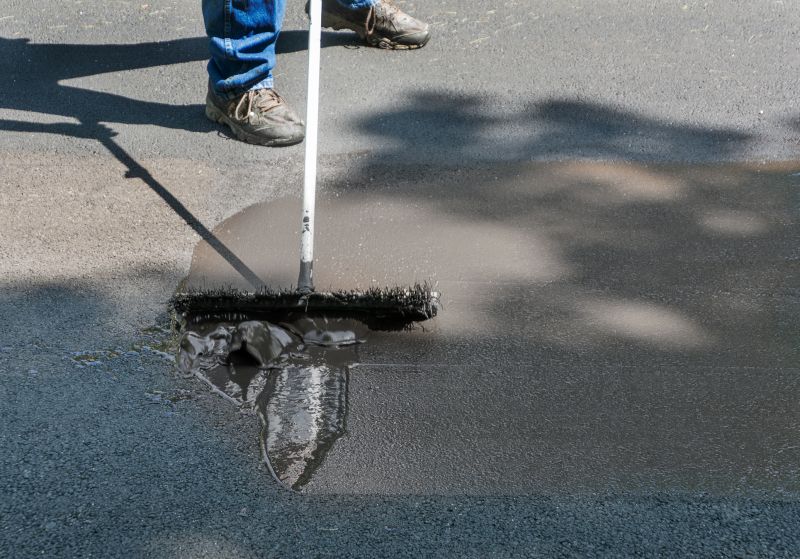
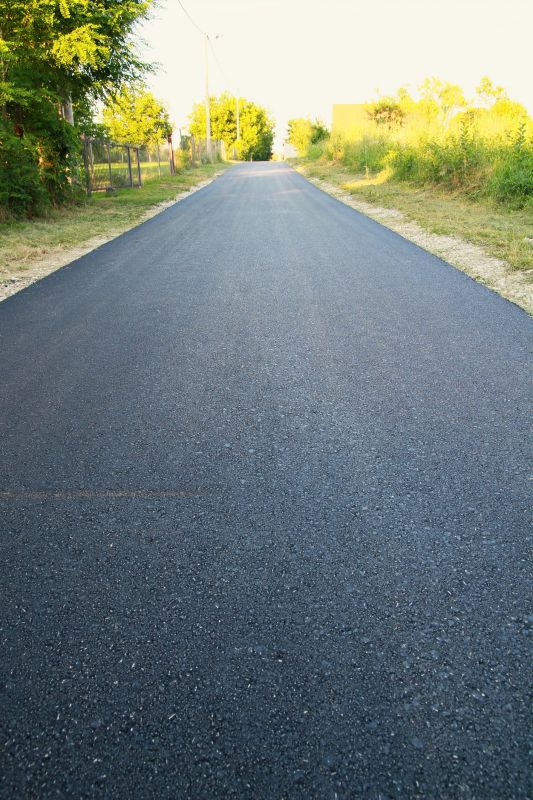
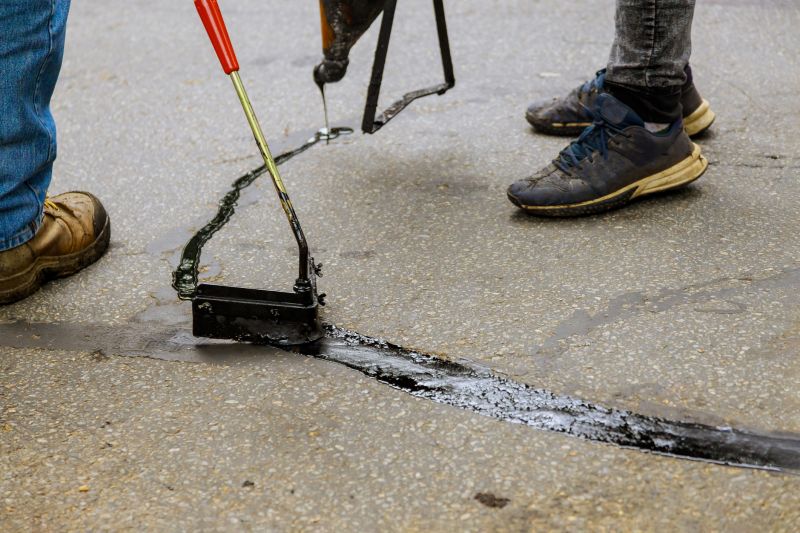
When people search for how asphalt sealing protects your driveway from damage, they often want to understand how this process helps extend the lifespan of their pavement. Driveways are exposed to daily wear and tear from vehicles, weather conditions, and environmental factors. Over time, these elements can cause cracks, surface deterioration, and overall weakening of the asphalt. Homeowners typically look into sealing as a proactive measure to prevent costly repairs and preserve the appearance of their property’s driveway. This search reflects an interest in maintaining a durable, safe, and visually appealing entrance that can withstand the challenges of regular use.
The problems related to driveway damage that lead homeowners to consider asphalt sealing include cracking, surface oxidation, and the development of potholes. Cracks can allow water to seep into the underlying layers, accelerating deterioration and potentially leading to more extensive repairs. Oxidation occurs when the asphalt surface loses its protective oil layer due to exposure to sunlight and weather, making it brittle and more prone to cracking. Many property owners also plan for regular sealing as part of their maintenance routine, especially if their driveways are subjected to heavy traffic or harsh weather conditions. These plans often involve consulting local contractors who specialize in asphalt sealing to ensure proper application and long-term protection.
Typical properties that come up in discussions about asphalt sealing are residential driveways, parking lots for small commercial properties, and community pathways. Residential properties usually seek sealing to protect their personal investment and enhance curb appeal. Commercial properties, on the other hand, often consider sealing to maintain a professional appearance and prevent damage that could disrupt operations or create safety hazards. Parking lots in apartment complexes or retail centers are also common sites for sealing, as they endure high traffic volumes. Understanding the specific needs of these property types helps homeowners and property managers recognize how asphalt sealing services can be tailored to protect their investments effectively.
Local service providers who specialize in asphalt sealing play a crucial role in helping property owners implement this protective measure. These contractors bring expertise in assessing the condition of a driveway, recommending appropriate sealing products, and applying the sealant properly. Because asphalt sealing is a practical and preventive step, it fits well into routine maintenance plans for many property types. Homeowners and property managers can benefit from connecting with local pros to ensure their driveways receive the right treatment to resist damage from weather, traffic, and aging. Proper sealing by experienced service providers helps maintain the integrity and appearance of asphalt surfaces, reducing the likelihood of costly repairs in the future.
Paving Repair Projects - These projects involve fixing cracks and potholes, requiring planning and surface preparation similar to asphalt sealing to ensure long-lasting results.
Driveway Resurfacing - Resurfacing involves applying new layers or overlays, which benefits from proper sealing techniques to protect the surface from future damage.
Concrete Sealing Services - Like asphalt sealing, concrete sealing protects surfaces from moisture and wear, requiring similar tools and surface preparation methods.
Parking Lot Maintenance - Maintaining commercial parking lots involves crack filling and sealing, demanding planning and surface prep akin to driveway sealing.
Sealcoating for Walkways - Applying sealcoats to walkways involves surface cleaning and sealing techniques comparable to those used on driveways for protection against damage.
Crack Repair Projects - Filling and sealing cracks requires precise surface prep and application skills that are also essential in asphalt sealing to prevent further deterioration.
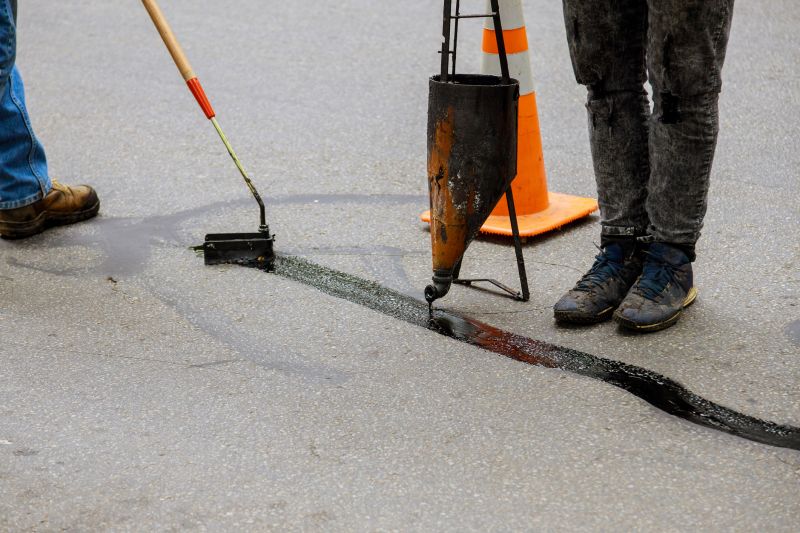
When evaluating asphalt sealing services, it is important to consider the experience of the service providers with similar projects. Homeowners should inquire about the contractors’ background in sealing driveways and their familiarity with the specific challenges that asphalt surfaces face. A contractor with a proven track record in handling projects like yours is more likely to understand the nuances of proper sealing techniques and the best practices to ensure long-lasting protection. Reviewing past work or requesting references can provide insight into their expertise and the quality of their previous projects, helping to ensure that the driveway will be well-protected against damage caused by weather, traffic, and other environmental factors.
Clear written expectations are essential when comparing local contractors for asphalt sealing. Homeowners should seek detailed descriptions of the scope of work, including surface preparation, the type of sealing material used, and the expected results. Transparent communication about what the service includes helps prevent misunderstandings and ensures that both parties are aligned on the project’s goals. Service providers who can provide comprehensive estimates and clearly outline the steps involved demonstrate professionalism and a commitment to delivering a quality result, which is crucial for maximizing the protective benefits of asphalt sealing.
Good communication and reputable references are key factors in selecting a reliable asphalt sealing contractor. Homeowners should look for service providers who are responsive and willing to answer questions throughout the process. Asking for references or reviews from previous clients can offer reassurance about their dependability and the durability of their work. A contractor who maintains open communication and has positive feedback from past customers is more likely to deliver a satisfactory experience and a result that effectively protects the driveway from damage over time.
Property owners often search for how asphalt sealing protects your driveway from damage when they are planning practical projects around their homes and businesses. Local pros provide Asphalt Sealing services for everyday jobs and straightforward project options.
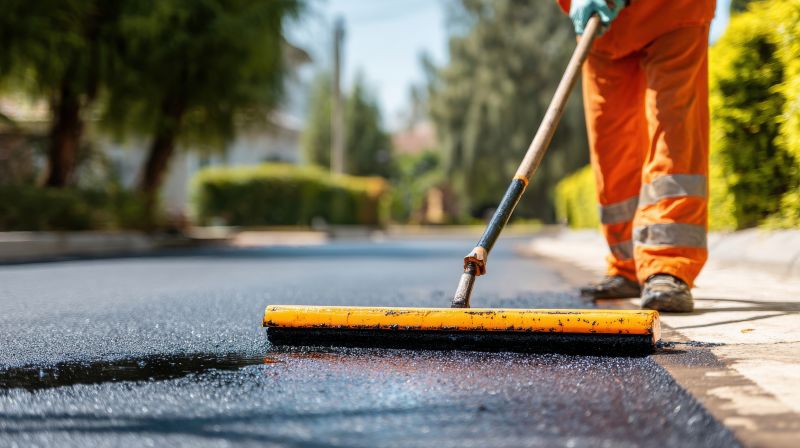
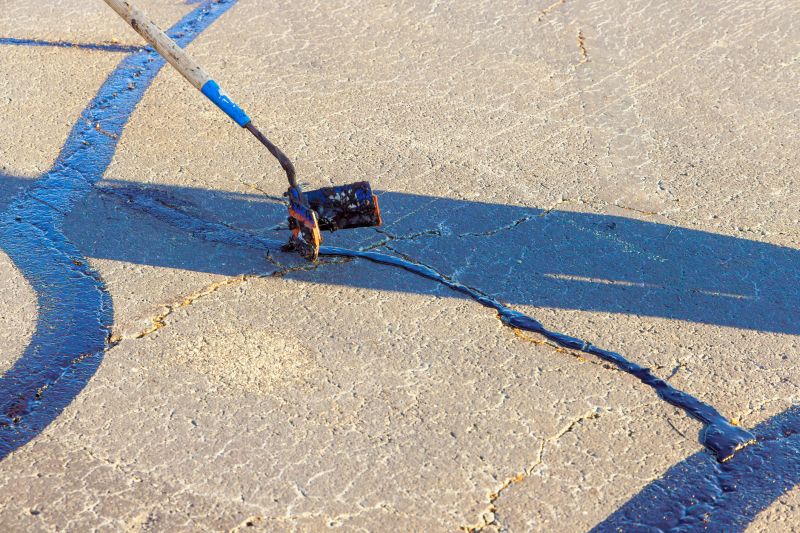
Understanding how asphalt sealing protects your driveway from damage is a common concern for property owners looking to maintain their home's curb appeal and prevent costly repairs. Everyday situations, such as exposure to harsh weather conditions, frequent vehicle traffic, and the presence of oil or other chemicals, can accelerate deterioration of asphalt surfaces. Local contractors who specialize in asphalt sealing can help safeguard driveways by applying protective coatings that act as a barrier against moisture, UV rays, and surface wear, ultimately extending the lifespan of the pavement and reducing the likelihood of cracks and potholes over time.
Many property owners search for asphalt sealing services to preserve their driveway’s appearance and functionality without the need for extensive repairs later on. Regular sealing from experienced service providers can help prevent damage caused by freeze-thaw cycles, which cause asphalt to crack and break apart, especially in areas with seasonal weather changes. By choosing local pros for asphalt sealing, residents can ensure their driveways are protected from everyday damage factors, keeping them looking well-maintained and structurally sound for years to come.
How does asphalt sealing help prevent damage to my driveway? Asphalt sealing creates a protective barrier that shields the surface from water penetration, UV rays, and chemicals, reducing the risk of cracks, potholes, and surface deterioration. Local contractors can apply this sealant effectively to extend the lifespan of driveways.
Can asphalt sealing make my driveway more resistant to cracking? Yes, sealing helps to maintain the flexibility of the asphalt surface, which can prevent the formation of cracks caused by temperature fluctuations and traffic stress. Experienced service providers ensure proper application for optimal protection.
Does asphalt sealing protect against damage caused by oil and other chemicals? Asphalt sealing forms a barrier that minimizes the absorption of oils, chemicals, and other substances that can weaken the pavement and cause deterioration. Local pros can recommend the best sealant for chemical resistance.
How does sealing improve the overall durability of my driveway? By sealing the surface, local contractors help reduce surface wear, resist weather-related damage, and limit the impact of moisture infiltration, all of which contribute to a longer-lasting driveway.
Is asphalt sealing effective in preventing damage from water? Yes, sealing prevents water from seeping into the asphalt, which can cause erosion, cracks, and potholes over time. Professional application ensures the driveway remains protected against water-related damage.
Assessing driveway condition - property owners can evaluate cracks and surface wear to determine when asphalt sealing services are needed to prevent further damage.
Planning for seasonal weather - scheduling asphalt sealing before winter or heavy rain helps protect the driveway from moisture-related damage.
Choosing the right sealing product - consulting with local contractors about suitable sealers ensures effective protection against oil spills and UV rays.
Maintaining driveway appearance - regular sealing helps preserve the driveway’s surface, reducing the likelihood of potholes and surface deterioration.
If you are thinking about how asphalt sealing protects your driveway from damage for a property, this guide is meant to help you understand this topic, the typical project types, and how different options might fit your plans.
When you are ready, you can use the quote form on this page to share a few details about your project. From there, local pros can review the basics and follow up with options that match what you have in mind.