Airport Paving in Hilton Head Island, SC
Airport paving services encompass the installation, repair, and maintenance of paved surfaces around airports, including runways, taxiways, aprons, and access roads. These projects often involve large-scale asphalt or concrete work designed to withstand heavy aircraft traffic and environmental conditions. Property owners seeking airport paving typically want to ensure durable, smooth surfaces that meet safety standards and can handle ongoing use, whether for private airstrips or commercial airport facilities.
Before requesting airport paving services, property owners usually want to understand the scope of the project, including the types of materials used, preparation requirements, and potential impact on existing structures. Clarifying the project's scale, timeline, and any necessary permits or regulations can help in planning and decision-making. Proper assessment and planning are essential to ensure the paved surfaces meet operational needs and long-term durability expectations.
Many property owners in Hilton Head Island, SC look into Airport Paving for repairs, replacements, upgrades, and appearance-related improvements.
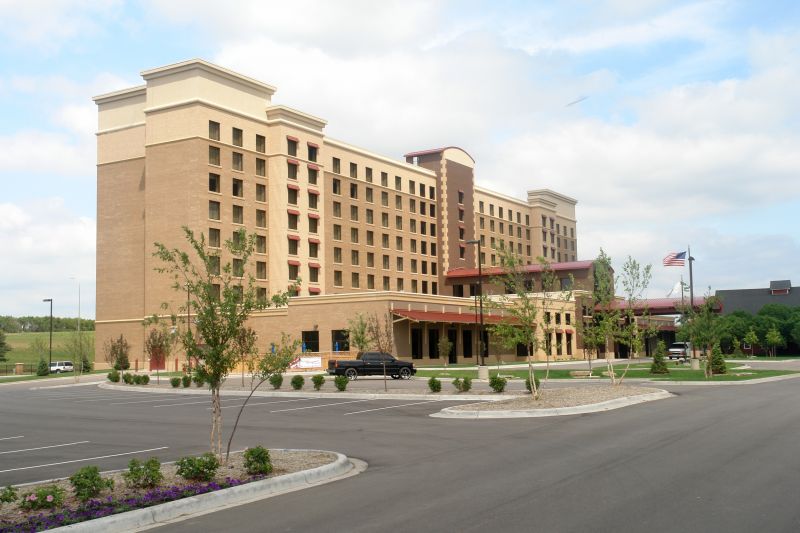
Commercial Airport Pavements
Ensuring durable and smooth surfaces for airport runways and taxiways.
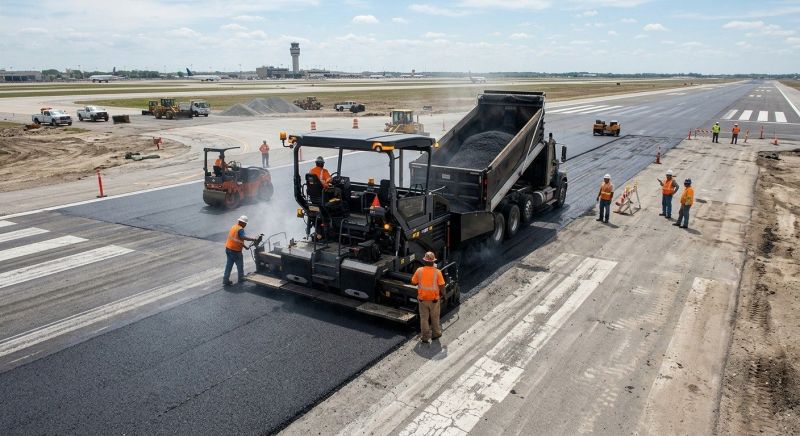
Private Airport Runways
Custom paving solutions for private and residential airstrips on hilton head island.

Maintenance And Repairs
Restoring and maintaining airport pavements to meet safety and performance standards.
Airport Paving in Hilton Head Island, SC
Airport paving services encompass the installation, repair, and maintenance of paved surfaces around airports, including runways, taxiways, aprons, and access roads. These projects often involve large-scale asphalt or concrete work designed to withstand heavy aircraft traffic and environmental conditions. Property owners seeking airport paving typically want to ensure durable, smooth surfaces that meet safety standards and can handle ongoing use, whether for private airstrips or commercial airport facilities.
Before requesting airport paving services, property owners usually want to understand the scope of the project, including the types of materials used, preparation requirements, and potential impact on existing structures. Clarifying the project's scale, timeline, and any necessary permits or regulations can help in planning and decision-making. Proper assessment and planning are essential to ensure the paved surfaces meet operational needs and long-term durability expectations.
Many property owners in Hilton Head Island, SC look into Airport Paving for repairs, replacements, upgrades, and appearance-related improvements.
Common Airport Paving Jobs
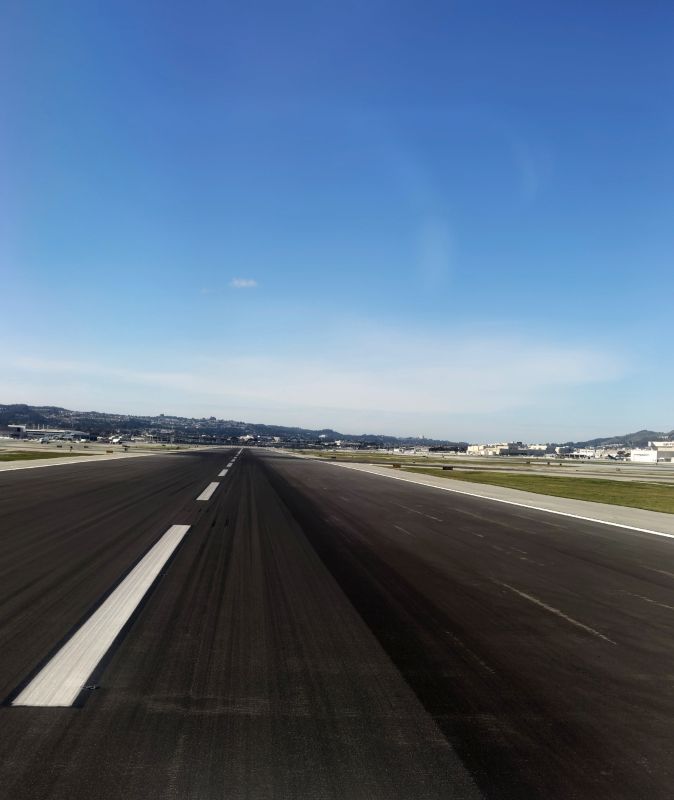
Airport paving involves constructing and resurfacing runways, taxiways, and aprons to ensure safe aircraft movement.
Runway resurfacing restores smoothness and durability to extend the lifespan of airport surfaces.
Taxiway paving provides a stable surface for aircraft to taxi between runways and terminals.
Apron construction creates reliable areas for aircraft parking, loading, and maintenance activities.
Pavement repair addresses cracks, potholes, and surface wear to maintain safety standards.
Surface marking enhances visibility and guides aircraft movements on paved airport surfaces.

Airport Paving Questions
What types of paving projects are common for airports? Airport paving typically involves runways, taxiways, and aprons to ensure safe aircraft movement and parking areas.
How long does airport paving usually last? Properly installed airport pavements can provide reliable service for many years with regular inspections and maintenance.
What materials are used in airport paving? Asphalt and concrete are the primary materials used for airport pavements due to their durability and strength.
Why is proper drainage important in airport paving? Effective drainage prevents water accumulation, reducing the risk of pavement damage and maintaining safety standards.
Request Airport Paving in Hilton Head Island, SC
Use the quote form on this page to share the basics of your project and request more information for the type of work you need.